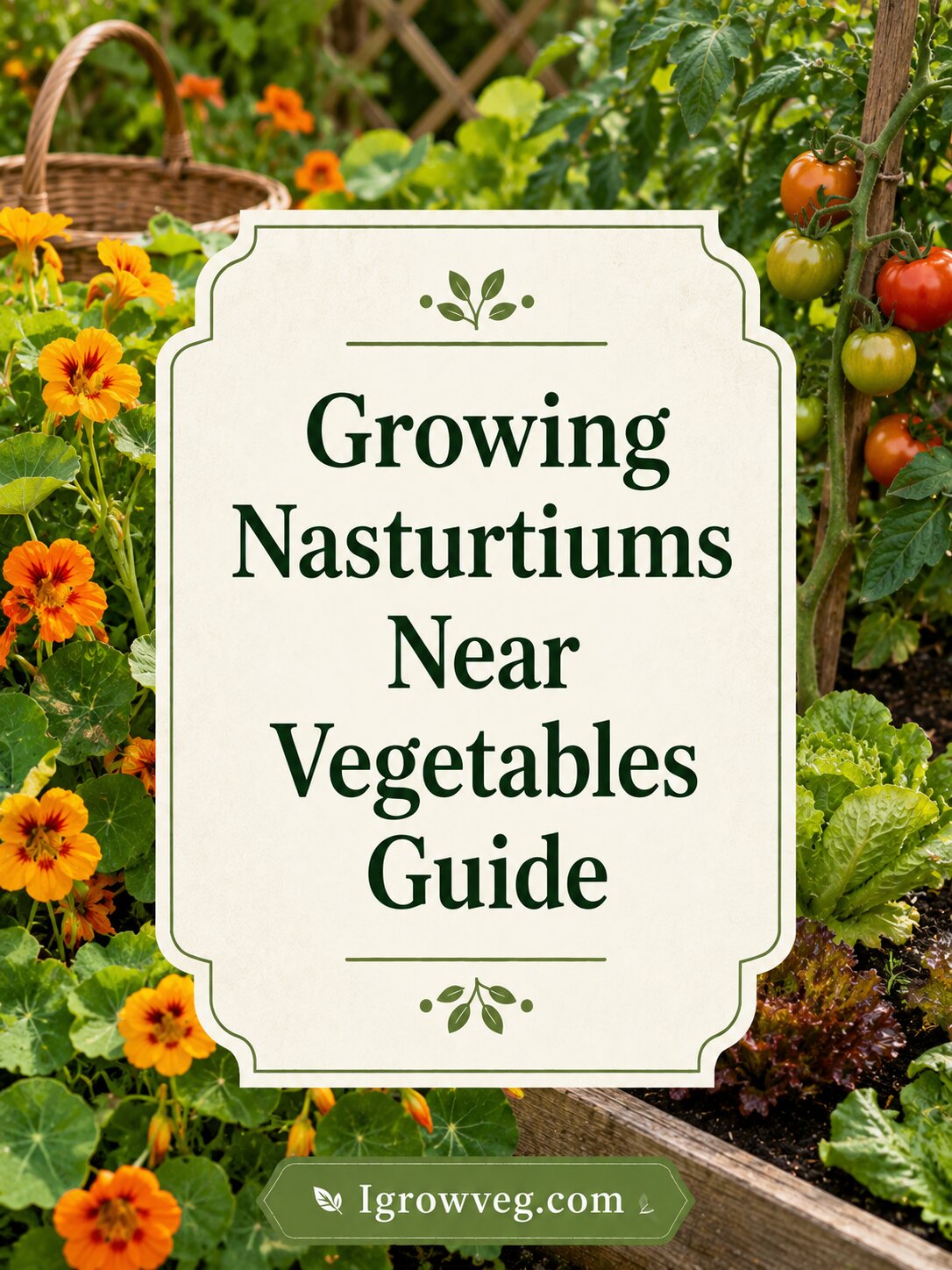
Nasturtiums are a natural method of pest control in your garden and have striking red, yellow and orange flowers in between their large umbrella shaped leaves which provide an attraction in your pots or borders not just for you but for many bugs and pests as well.
Nasturtiums are grown from seed very easily from March to July and flowering all summer until September. They grow in old non fertilised soil (if there’s too much compost you may only get leaves and no flowers) and they take care of themselves once established.
1. They are well known for attracting aphid infestations
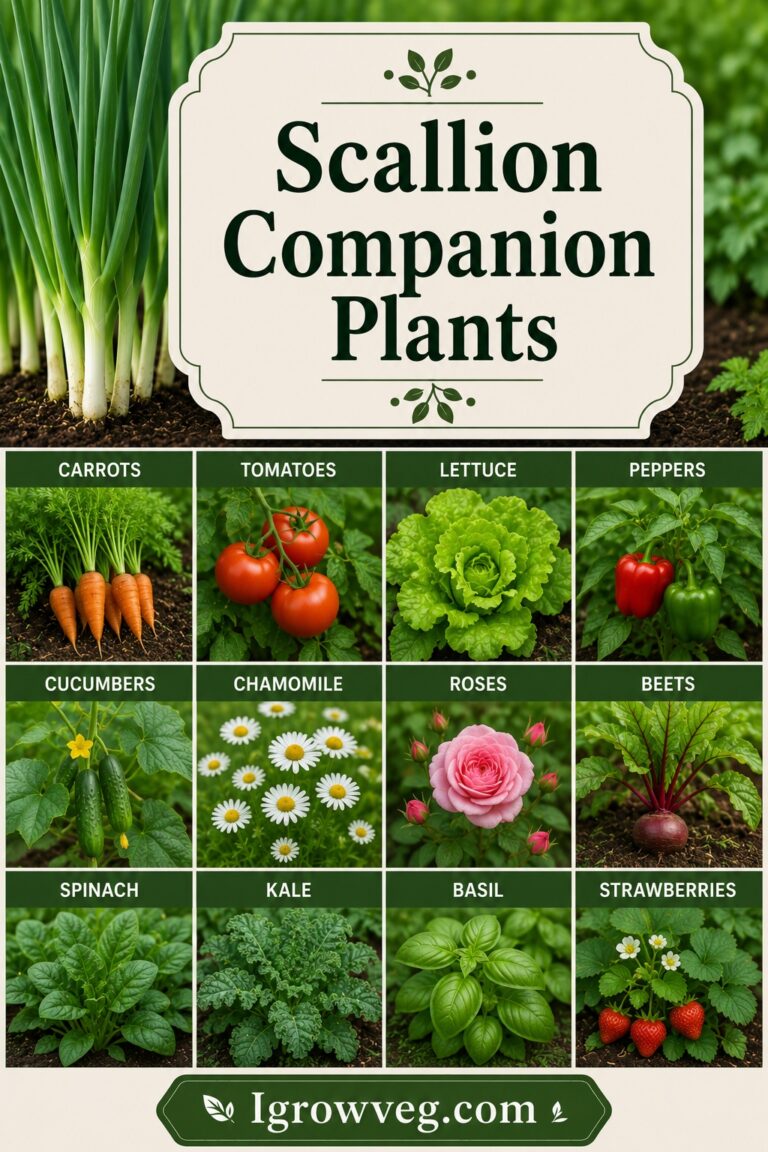
You may think this is not such a good reason to grow them, however nasturtiums leaves are like a homing beacon of the plant world for aphids (particularly black aphids or blackfly) which means if they are on the nasturtiums, they (hopefully) won’t be attracted to your tomato, pepper, bean, strawberry, cabbage and lettuce plants. Nasturtiums are a diversionary tactic to move aphids away from your prized fruit and vegetables.
My Experience with Nasturtiums and Black Aphids:
This year I have grown nasturtiums in pots on my deck which is approx 5 or 6 feet away from my raised beds. As you can see from the picture, its like aphid world on my nasturtiums as the moment and I’m pleased to say even though initially I did have some blackfly on my french beans, they have now gone and the plants have recovere
2. Cabbage White Butterflies like their large leaves.
Not only do Nasturiums attract butterflies into your garden, they have a powerful magnet attraction to cabbage white butterflies in particular to lay their bright yellow eggs on the underside of the leaves. This is easy to do for them as the surface area of the leaves is large and the leaf is an umbrella shape enabling the butterfly to sit without being disturbed.
If the butterflies are more interested in the nasturtium leaves, they will be hopefully less interested in your cabbage leaves. See the damage caterpillars can do once hatched on your cabbage leaves, believe me you will try anything to get rid of them.
My Experience with Nasturtiums and Cabbage White Butterflies:
I have seen loads of cabbage white butterflies around and siting on my nasturtiums plants. Although my cabbages are covered with a cloche, last year the cabbage white’s still managed to get into to cloche when I was weeding without me noticing when I put it back. This year I’m using the nasturtiums as a diversion and weeding in the evening when no butterflies are around!
3. Slugs go to Nasturtiums like a moth to a light bulb.
Nasturtiums are just one big pest magnet, I’ve never known a plant like it. They also attract slugs because of their large juicy green leaves. All though by now you may not have any plants left if they have been attacked by caterpillars and aphids.
My Experience with Nasturtiums and Slugs:
None I’m afraid as I didn’t previously know this until researching this post, but now I do know I’ll be sowing nasturtiums next March before the big slug breakout, results will be posted here next year.
4. They protect your vegetables from predatory insects
Growing Nasturtiums helps the following vegetables from pest attacks:-
- Brassicas – Cabbage, Kale, Broccoli,
- Curbits – Cucumbers, melons,
- Beans – runner, french, climbing,
- Tomato’s, Peppers,
- Apple Trees and Strawberries.
5. Nasturtium leaves and flowers are edible.
Nasturtium means ‘nose-twister’ which refers to the bitter peppery taste when eaten.
To recycle the plant, any leaf or flower unaffected by pests can be eaten with salads or added to soups, butter, oils, vinegar etc. See this great link at Squidoo for Cooking With Nasturtiums or view the video below on how to make Nasturtium Butter.
9 Things to consider while growing nasturtiums near vegetables
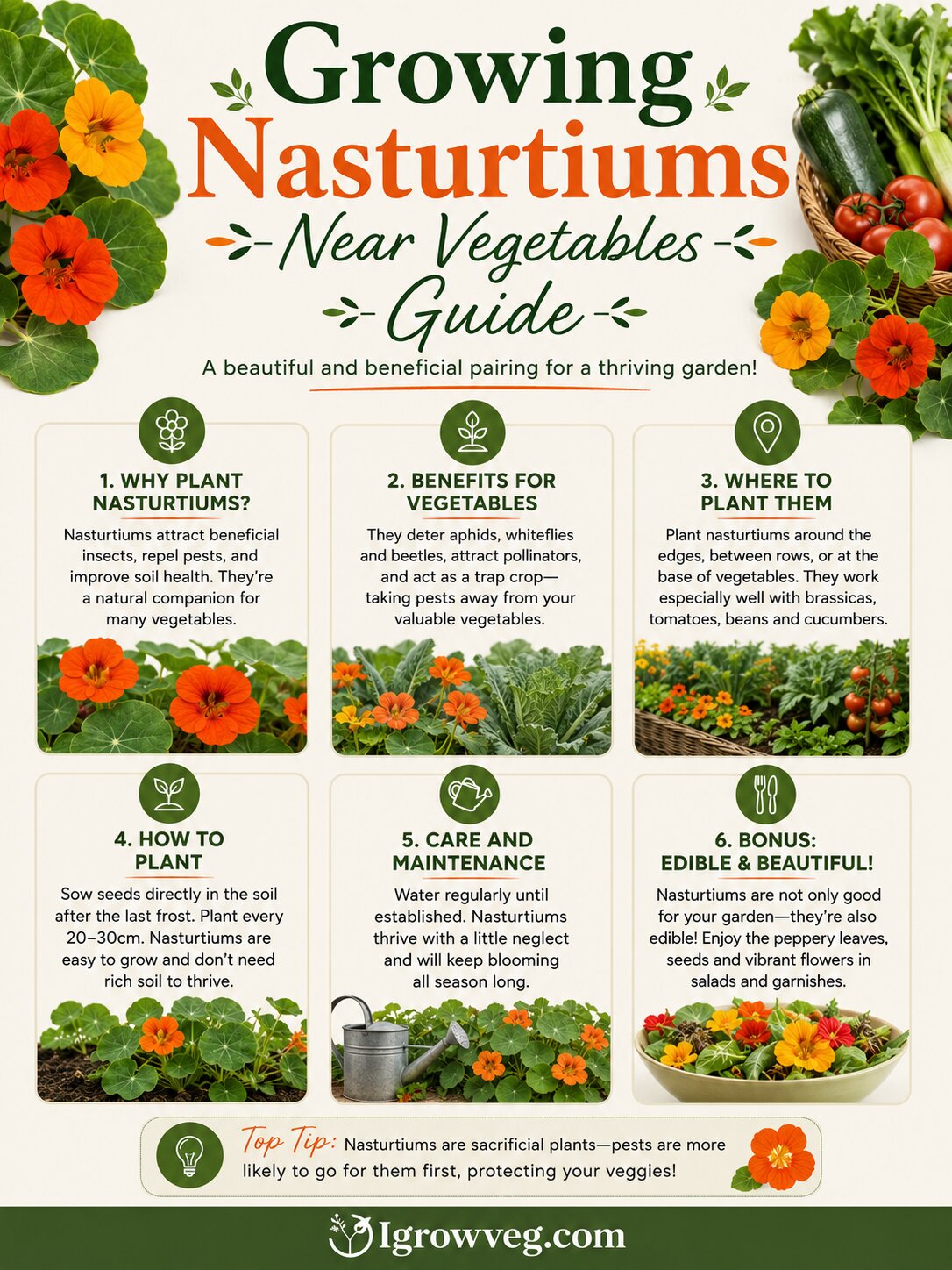
Trap Crop: Nasturtiums can serve as a trap crop, attracting pests away from your vegetables. This sacrificial plant can help keep pests concentrated on the nasturtiums, making it easier to control and manage them.
Attract Beneficial Insects: Nasturtiums attract beneficial insects like predatory beetles and spiders. These insects help control pest populations, creating a more balanced and healthy ecosystem in your garden.
Companion Planting Benefits: Nasturtiums are excellent companion plants for various vegetables. They can enhance the flavor and growth of plants like tomatoes, radishes, and cabbage while repelling pests that might harm these vegetables.
Edible Flowers and Leaves: Nasturtiums are not only visually appealing but also edible. Both the flowers and leaves have a peppery taste, making them a flavorful addition to salads, garnishes, or even as a spicy snack. This adds a dual-purpose aspect to your garden.
Ground Cover and Weed Suppression: Nasturtiums are fast-growing and can provide effective ground cover. This helps suppress weed growth, reducing competition for nutrients and water with your vegetables.
Nitrogen Fixation: Nasturtiums have the ability to fix nitrogen in the soil. Nitrogen is a crucial nutrient for plant growth, and by growing nasturtiums near your vegetables, you contribute to soil enrichment, promoting healthier and more robust growth.
Aesthetic Appeal: Nasturtiums come in vibrant colors and add aesthetic appeal to your garden. Their trailing or bushy growth habit can create a visually pleasing contrast with the structure and form of your vegetables.
Low Maintenance: Nasturtiums are generally easy to grow and require minimal maintenance. They are hardy plants that can thrive in various conditions, making them a convenient choice for both experienced and novice gardeners.
Biodiversity and Resilience: Introducing nasturtiums increases the biodiversity in your garden, promoting a more resilient ecosystem. A diverse garden is less prone to pest outbreaks and diseases, contributing to the overall health of your vegetable plants.
By incorporating nasturtiums into your vegetable garden, you not only enhance the health and productivity of your crops but also create a more vibrant and visually appealing growing space.
Talking of recycling, Here’s how you do it:
- Wait until the flowers have died off, then behind the flower is a cluster of 3 green seeds.
- If the seeds are green and attached to the stem still they are too ‘green’ to collect, leave them to dry and fall to the soil,
- Look under the leaves on the soil for brown round seeds which look like cherry pips.
- Put these dry seeds in a paper bag and save in a cool place until sowing,
- Sowing Period is March to July.
Top Companion Pairings
Certain vegetables benefit significantly more from a nasturtium neighbor than others.
| Vegetable | Benefit | Planting Tip |
| Cucumber | Repels cucumber beetles | Plant trailing varieties at the base of the trellis. |
| Brassicas (Kale, Broccoli) | Acts as a trap crop for Cabbage Whites | Surround the bed with a “moat” of dwarf nasturtiums. |
| Tomatoes | Improves flavor and deters whiteflies | Plant at the sun-facing edge of the tomato bed. |
| Squash/Pumpkins | Deters squash bugs | Allow vining types to mingle with the squash vines. |
| Radishes | Improves root growth/flavor | Inter-plant dwarf varieties between radish rows. |
Related (FAQs) for nasturtiums and vegetables
Q: How do nasturtiums act as natural pest control for vegetables?
A: Nasturtiums emit a pungent scent and have a peppery taste that deters pests like aphids, whiteflies, and cucumber beetles. Planting nasturtiums near vegetables can help protect them from these common garden pests.
Q: Can nasturtiums be used as a trap crop in vegetable gardens?
A: Yes, nasturtiums can serve as a trap crop by attracting pests away from vegetables. This can make it easier to manage and control pest populations in the garden.
Q: What are the benefits of attracting beneficial insects with nasturtiums?
A: Nasturtiums attract beneficial insects such as predatory beetles and spiders, which help control harmful pest populations. This creates a more balanced and sustainable ecosystem in the garden.
Q: Which vegetables benefit the most from being planted near nasturtiums?
A: Nasturtiums are excellent companion plants for various vegetables, including tomatoes, radishes, and cabbage. They can enhance the flavor and growth of these plants while providing pest protection.
Q: Are nasturtium flowers and leaves edible?
A: Yes, both nasturtium flowers and leaves are edible. They have a peppery taste and can be used in salads, as garnishes, or as a spicy addition to various dishes.
Q: How do nasturtiums act as ground cover and suppress weeds in vegetable gardens?
A: Nasturtiums are fast-growing and can provide effective ground cover, helping suppress weed growth. This reduces competition for nutrients and water with vegetables, contributing to a healthier garden.
Q: Do nasturtiums fix nitrogen in the soil?
A: Yes, nasturtiums have the ability to fix nitrogen in the soil, which is a crucial nutrient for plant growth. Planting nasturtiums near vegetables can contribute to soil enrichment and promote healthier plant growth.
Q: Are nasturtiums suitable for both experienced and novice gardeners?
A: Yes, nasturtiums are generally easy to grow and require minimal maintenance, making them suitable for both experienced and novice gardeners. They are hardy plants that can thrive in various conditions.
Q: Do nasturtiums add aesthetic value to vegetable gardens?
A: Absolutely. Nasturtiums come in vibrant colors and add aesthetic appeal to vegetable gardens. Their trailing or bushy growth habit creates a visually pleasing contrast with the structure and form of vegetables.
Q: How do nasturtiums contribute to biodiversity and resilience in a garden?
A: Introducing nasturtiums increases biodiversity, making the garden more resilient to pest outbreaks and diseases. A diverse garden is healthier and less prone to issues, promoting overall garden resilience.