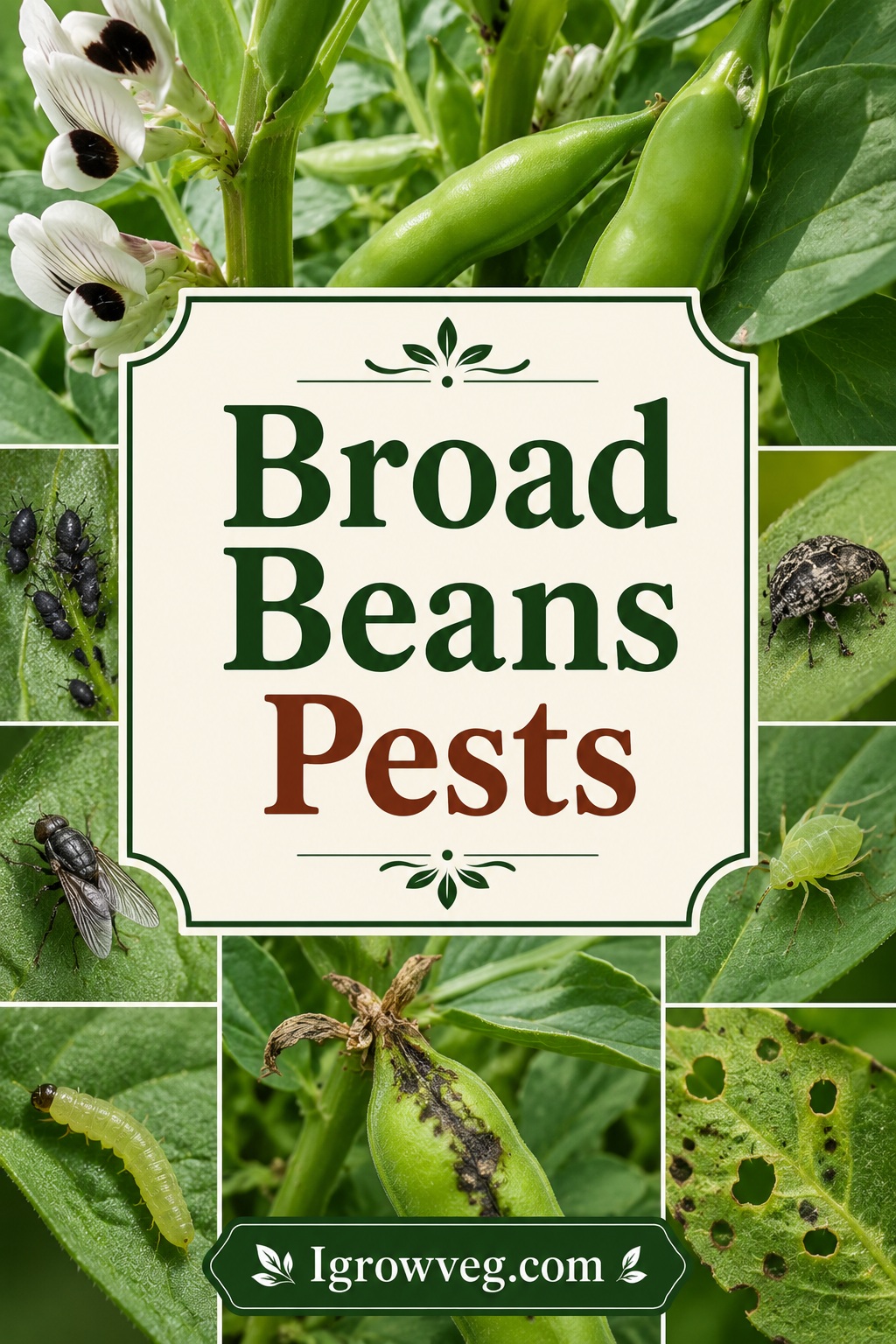
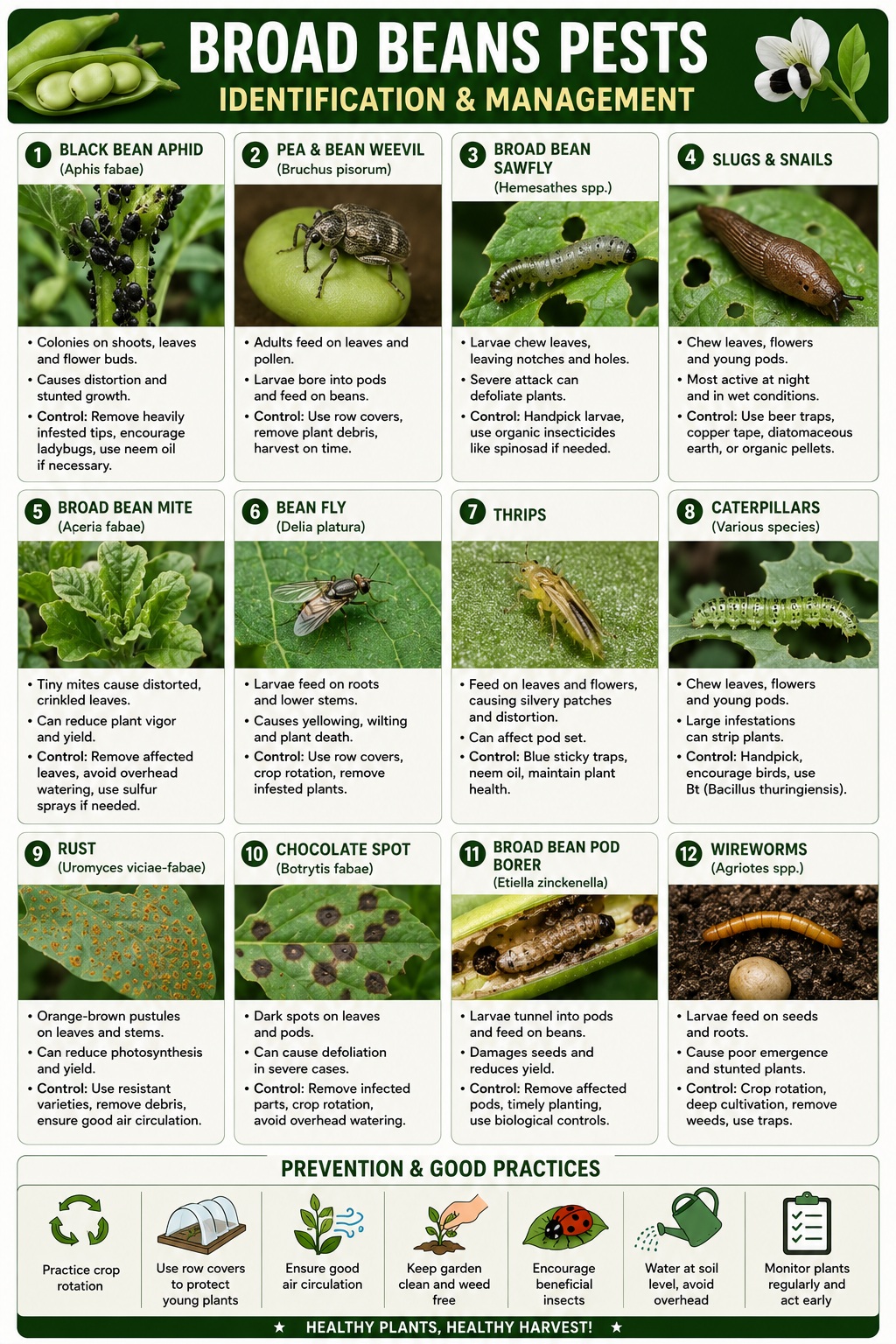
Broad beans are one of the easiest and most rewarding crops to grow in home gardens. Their sturdy stems, rich green foliage, and protein-packed pods make them a favorite among gardeners. However, one persistent pest can quickly turn healthy plants into weak, curled, and sticky messes — the blackfly, also known as the black bean aphid.
These tiny dark insects often appear in large clusters around the soft growing tips of broad beans during spring and early summer. Left untreated, they can stunt plant growth, reduce yields, and spread plant diseases. Fortunately, with early detection and the right control methods, blackfly infestations can usually be managed successfully without harsh chemicals.
This guide explains everything you need to know about blackfly on broad beans, including identification, life cycle, symptoms, prevention, natural treatments, and long-term control strategies.
What Is Blackfly or Black Bean Aphid?
Blackfly, scientifically known as Aphis fabae, is a common sap-sucking insect that attacks many garden plants. Despite the name “blackfly,” these pests are actually aphids rather than true flies.
They are especially attracted to:
- Broad beans
- French beans
- Runner beans
- Beetroot
- Spinach
- Nasturtiums
- Dahlias
Broad beans are one of their favorite hosts because of the plants’ tender new growth and nutrient-rich sap.
Adult blackflies are tiny, soft-bodied insects usually dark brown or black in color. They gather in dense colonies on stems, flower buds, and young leaves where they feed continuously.
Why Broad Beans Attract Blackfly
Broad beans naturally produce lush, soft growth during cool spring weather. This tender tissue contains abundant sap, which aphids feed on using needle-like mouthparts.
Several factors make broad beans highly attractive to blackfly:
Soft Growing Tips
The youngest shoots contain the highest concentration of nutrients and moisture.
Warm Spring Temperatures
Mild temperatures encourage rapid aphid reproduction.
Dense Foliage
Closely spaced plants provide shelter and humidity, helping colonies thrive.
Excess Nitrogen
Over-fertilized plants produce even softer growth, which aphids prefer.
How to Identify Blackfly on Broad Beans
Early detection is the key to preventing serious damage. Blackfly colonies can grow rapidly, so gardeners should inspect plants regularly.
Common Signs of Blackfly Infestation
Clusters of Tiny Black Insects
Large masses of black aphids gather around:
- Stem tips
- Flower clusters
- Undersides of leaves
- Young shoots
Curled or Distorted Leaves
Feeding damage causes leaves to curl inward and become misshapen.
Sticky Honeydew
Blackfly excrete a sugary substance called honeydew that coats leaves and stems.
Ant Activity
Ants are often seen climbing plants because they feed on honeydew and protect aphids from predators.
Yellowing Leaves
Heavy infestations weaken plants and reduce chlorophyll production.
Stunted Growth
Affected plants may stop producing flowers or pods.
The Blackfly Life Cycle
Understanding the aphid life cycle helps gardeners time treatments more effectively.
Overwintering Eggs
Blackfly survive winter as eggs laid on host plants or nearby weeds.
Spring Hatching
Eggs hatch in spring as temperatures rise. Female aphids begin feeding immediately.
Rapid Reproduction
Most aphids are female and reproduce without mating. They give birth to live young instead of laying eggs.
This allows populations to explode within days.
Winged Aphids
When colonies become overcrowded, winged adults develop and spread to nearby plants.
Late Season Decline
Predators, cooler weather, and plant maturity usually reduce populations by late summer.
Damage Caused by Blackfly
A few aphids may not cause major problems, but severe infestations can seriously affect broad bean crops.
Reduced Plant Vigor
Blackfly suck sap directly from stems and leaves, weakening the plant.
Poor Flower Development
Heavy feeding can cause flowers to abort before pod formation.
Lower Yields
Damaged plants produce fewer and smaller beans.
Transmission of Plant Viruses
Aphids can spread viral diseases between plants while feeding.
Sooty Mold Growth
Honeydew encourages black fungal growth called sooty mold, which blocks sunlight and reduces photosynthesis.
When Blackfly Usually Appear
Blackfly are most active during:
- Late spring
- Early summer
- Mild humid weather
In many regions, infestations peak when broad beans begin flowering.
This is why gardeners often pinch out growing tips during flowering season to reduce infestations.
Natural Predators of Blackfly
Nature provides many helpful insects that feed on aphids. Encouraging beneficial predators can significantly reduce infestations.
Ladybugs
Both adults and larvae consume large numbers of aphids daily.
Lacewings
Lacewing larvae are aggressive aphid hunters.
Hoverflies
Hoverfly larvae feed heavily on soft-bodied pests.
Parasitic Wasps
Tiny wasps lay eggs inside aphids, eventually killing them.
Birds
Small birds sometimes feed on aphid colonies.
How to Prevent Blackfly on Broad Beans
Preventive gardening practices are often more effective than trying to eliminate severe infestations later.
Pinch Out Growing Tips
One of the best prevention methods is removing the soft top shoots once flowers appear on lower stems.
This:
- Removes favorite feeding sites
- Improves airflow
- Encourages pod development
Simply pinch off the top 3–4 inches of the plant.
Avoid Excess Nitrogen Fertilizer
Too much nitrogen produces lush, weak growth that attracts aphids.
Use balanced fertilizers instead.
Encourage Beneficial Insects
Grow pollinator-friendly flowers nearby, such as:
- Calendula
- Dill
- Fennel
- Sweet alyssum
- Marigolds
These attract hoverflies and lacewings.
Maintain Good Spacing
Avoid overcrowding plants to improve airflow and reduce humid conditions.
Control Ants
Ants protect aphids from predators. Reducing ant activity can help natural enemies work more effectively.
Remove Weeds
Many weeds host aphids before they move onto crops.
How to Get Rid of Blackfly Naturally
If blackfly appear despite preventive efforts, several natural methods can control them effectively.
Hand Removal
Small infestations can often be controlled manually.
Methods Include
- Squashing colonies with fingers
- Wiping stems with gloves
- Removing heavily infested tips
This works best when caught early.
Spray with Water
A strong blast from a garden hose can dislodge aphids from plants.
Tips
- Spray early in the day
- Focus on leaf undersides
- Repeat every few days
Dislodged aphids often struggle to return.
Use Soapy Water Spray
Homemade insecticidal soap is one of the safest and most effective aphid treatments.
Basic Recipe
Mix:
- 1 liter water
- 1–2 teaspoons mild liquid soap
Spray directly onto aphids.
Important Notes
- Avoid strong detergents
- Test on a small area first
- Spray during cool evening hours
Soap damages aphid outer coatings and causes dehydration.
Neem Oil Treatment
Neem oil disrupts aphid feeding and reproduction.
How to Apply
Mix neem oil according to label instructions and spray:
- Stem tips
- Leaf undersides
- Flower clusters
Repeat weekly if needed.
Neem is most effective on young aphids.
Companion Planting Against Blackfly
Certain plants help repel aphids or attract beneficial insects.
Good Companion Plants for Broad Beans
Marigolds
Their scent may confuse pests and attract predators.
Nasturtiums
Act as trap crops by attracting aphids away from beans.
Dill and Fennel
Attract hoverflies and parasitic wasps.
Mint
Strong aroma may deter some insects.
Organic Aphid Control Products
Gardeners dealing with severe infestations may use organic-approved treatments.
Insecticidal Soap
Targets soft-bodied insects while sparing many beneficial insects.
Horticultural Oils
Smother aphids and eggs.
Pyrethrin Sprays
Derived from chrysanthemum flowers, though they should be used carefully to avoid harming pollinators.
Always follow label directions and avoid spraying open flowers when bees are active.
Should You Remove Infested Plants?
Complete plant removal is rarely necessary unless:
- Plants are severely weakened
- Viral disease is suspected
- Infestation is uncontrollable
In most cases, pruning affected tips is sufficient.
The Importance of Pinching Out Broad Beans
Pinching out the tops of broad beans is one of the oldest and most effective blackfly control methods.
Benefits Include
- Removes aphid feeding zones
- Improves airflow
- Encourages pod formation
- Reduces disease risk
Many gardeners harvest the tender tips as edible greens.
Do Blackfly Kill Broad Beans?
Healthy broad bean plants can usually tolerate small infestations.
However, severe untreated outbreaks may cause:
- Poor pod development
- Flower drop
- Reduced harvests
- Weak plants
Young seedlings are especially vulnerable.
Weather Conditions That Favor Blackfly
Certain conditions increase aphid activity.
Warm Temperatures
Mild weather accelerates reproduction.
Humidity
Humid conditions help colonies expand rapidly.
Calm Weather
Strong rain and wind naturally reduce aphid numbers.
Common Mistakes When Treating Blackfly
Many gardeners accidentally worsen infestations by making avoidable errors.
Ignoring Early Signs
A few aphids quickly become hundreds.
Overusing Nitrogen
Creates soft growth highly attractive to aphids.
Spraying During Hot Sun
Soap and oil sprays can scorch leaves.
Killing Beneficial Insects
Broad-spectrum insecticides often destroy natural predators.
Not Treating Undersides of Leaves
Aphids frequently hide underneath foliage.
Can Blackfly Spread to Other Plants?
Yes. Blackfly are highly mobile and attack many garden plants.
Common secondary hosts include:
- Beetroot
- Spinach
- Tomatoes
- Dahlias
- Nasturtiums
- Sunflowers
Monitoring nearby plants helps prevent wider infestations.
Seasonal Blackfly Management Plan
A consistent seasonal approach keeps infestations manageable.
Early Spring
- Inspect young plants weekly
- Encourage beneficial insects
- Avoid excessive fertilizer
Mid Spring
- Begin pinching out tops
- Watch for winged aphids
- Spray small colonies early
Summer
- Continue monitoring
- Remove badly infested shoots
- Water plants consistently
Autumn
- Clear plant debris
- Remove weeds
- Rotate crops
Are Chemical Insecticides Necessary?
Chemical insecticides are rarely needed in home gardens.
Overuse can:
- Kill pollinators
- Harm predators
- Cause aphid resistance
- Contaminate edible crops
Natural methods usually work well when applied early and consistently.
Broad Bean Varieties and Blackfly Resistance
No broad bean variety is fully immune, but some show better tolerance.
Generally:
- Taller vigorous varieties recover faster
- Early-maturing types may escape severe infestations
- Healthy plants resist damage better overall
Good growing conditions remain the best defense.
Can You Still Eat Beans from Infested Plants?
Yes. Beans from blackfly-infested plants are usually safe to eat if pods are healthy.
Simply:
- Wash pods thoroughly
- Remove damaged portions
- Discard heavily diseased material
Minor infestations do not affect bean safety.
How Climate Change May Affect Blackfly Problems
Warmer temperatures and milder winters may increase aphid populations in many regions.
Possible impacts include:
- Earlier infestations
- Longer breeding seasons
- More generations per year
- Greater virus transmission
This makes regular monitoring even more important for gardeners.
Signs Your Treatment Is Working
Successful blackfly control becomes visible within days.
Positive Signs Include
- Fewer visible aphids
- New healthy growth
- Reduced leaf curling
- Increased predator activity
- Improved flowering
Persistence is important because eggs and hidden aphids may survive initial treatments.
Best Long-Term Strategy for Blackfly Control
The most effective approach combines several methods rather than relying on a single treatment.
Ideal Integrated Control Plan
- Grow healthy plants
- Pinch out soft tips
- Encourage predators
- Monitor weekly
- Remove small colonies quickly
- Use natural sprays only when necessary
This balanced approach minimizes damage while protecting beneficial wildlife.
Final Thoughts
Blackfly or black bean aphid is one of the most common pests affecting broad beans, but it does not have to ruin your harvest. Early detection, regular plant checks, and simple natural controls are usually enough to keep infestations manageable.
Healthy plants, good spacing, beneficial insects, and pinching out growing tips form the foundation of successful prevention. If colonies appear, prompt action with water sprays, soap solutions, or neem oil can stop populations before serious damage occurs.
With careful observation and consistent garden maintenance, broad beans can continue producing healthy pods even in areas where blackfly are common seasonal visitors.