Incorporating scallion companion plants into your garden layout is a brilliant strategy for both space management and organic pest control. Scallions (Allium fistulosum), also known as green onions or bunching onions, are the “secret agents” of the vegetable garden. Their slender, vertical growth habit allows them to slip into small gaps between larger crops, while their pungent aroma—typical of the Allium family—acts as a powerful natural deterrent against a wide array of garden pests.
By strategically placing scallions near vulnerable plants, you can create a protective barrier that masks the scent of more “attractive” crops. This guide explores the most beneficial pairings for scallions to help you build a more resilient and productive kitchen garden.
🧅 Scallion Companion Planting
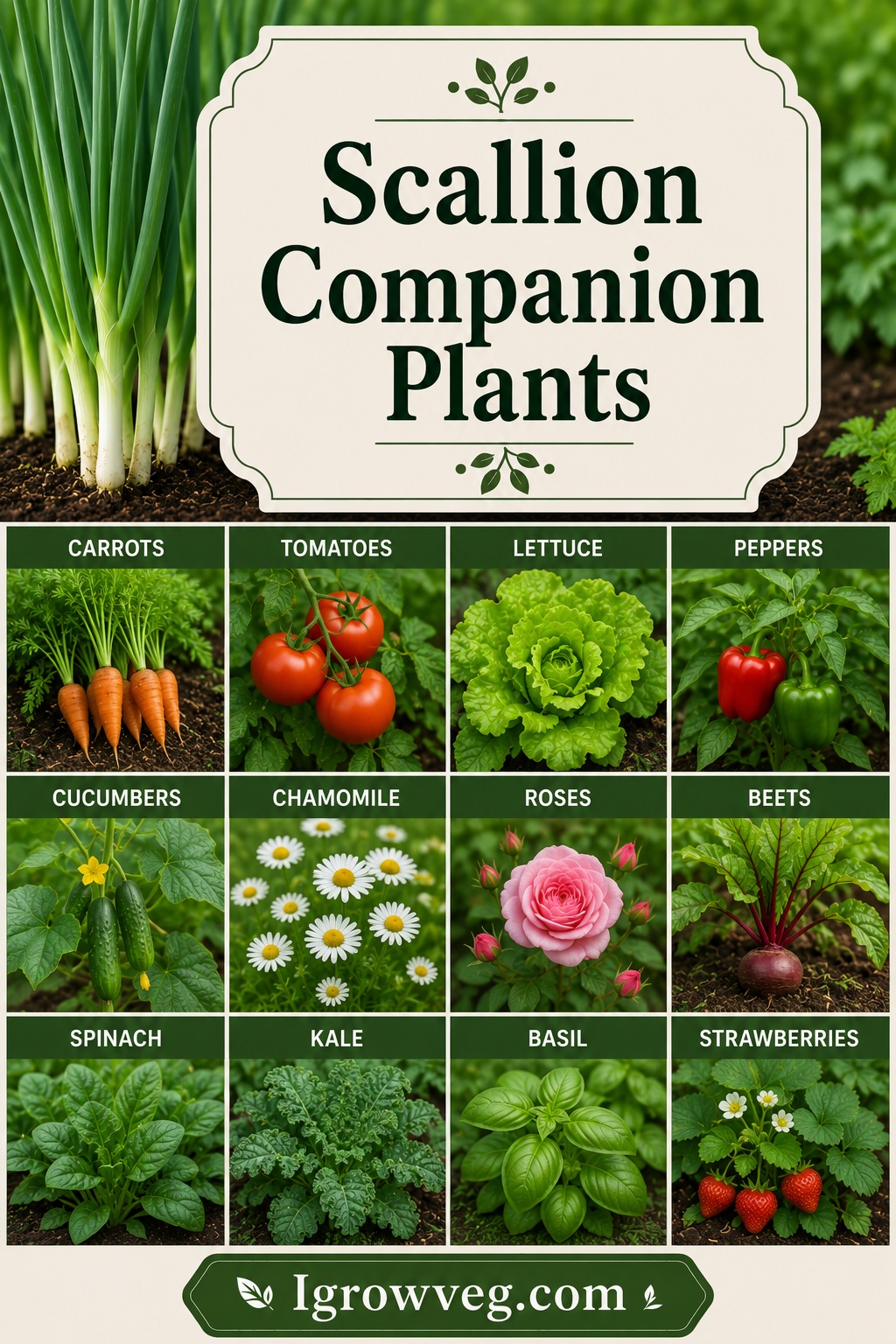
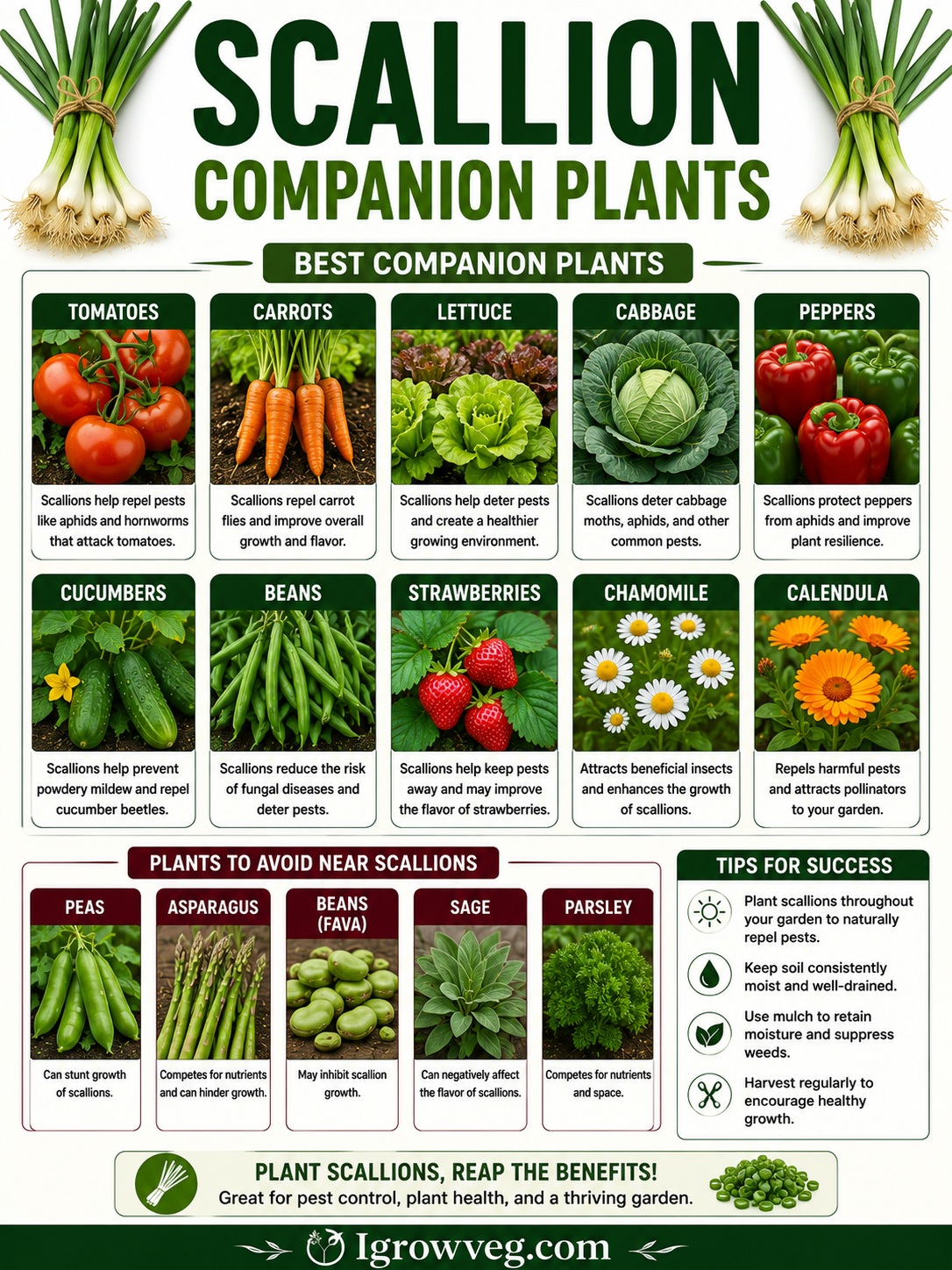
✅ Best Companions
- Carrots — Scallions deter carrot flies; carrots don’t compete heavily for nutrients.
- Beets — Grow well with scallions; roots occupy different soil layers.
- Lettuce — Shallow roots and quick growth make lettuce a non‑competitive partner.
- Spinach — Similar light and water needs; scallions help reduce pest pressure.
- Tomatoes — Scallions repel aphids and spider mites, protecting tomato plants.
- Strawberries — Benefit from scallions’ pest‑repelling properties.
- Cabbage family (broccoli, kale, cabbage) — Scallions deter cabbage worms and flea beetles.
❌ Plants to Avoid
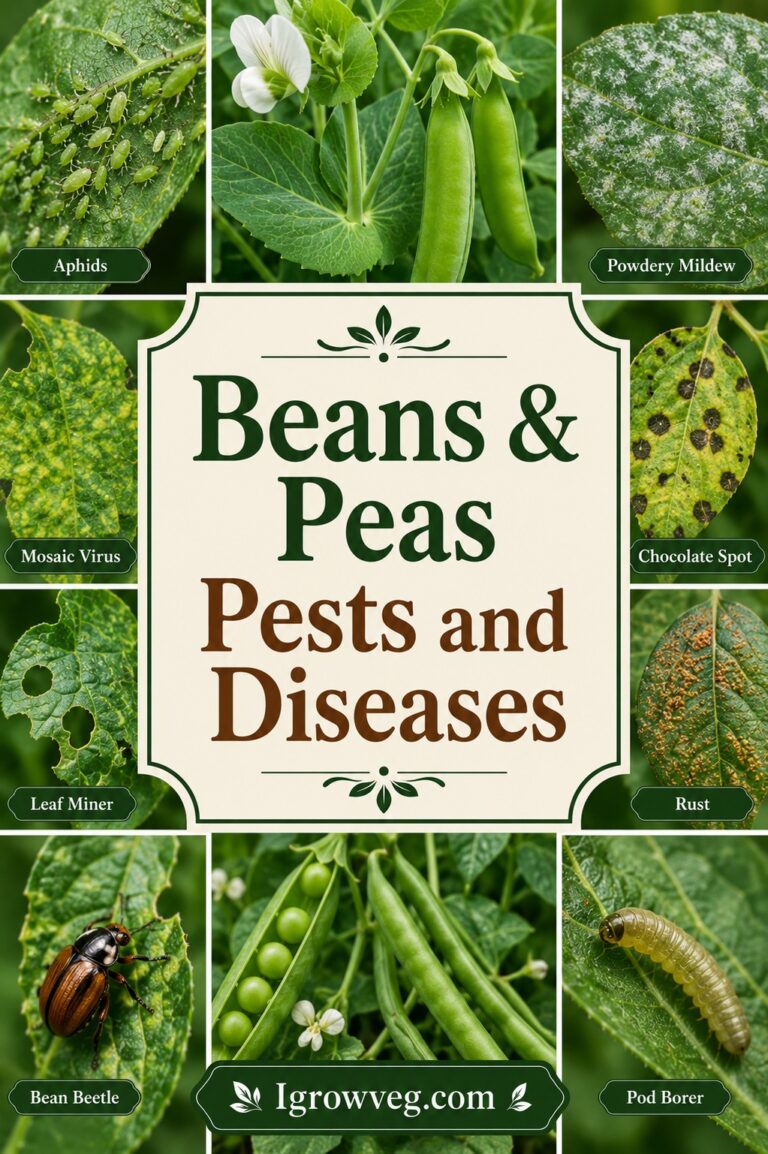
- Beans & Peas (Legumes) — Alliums can stunt their growth.
- Sage — Strong aromatic oils clash with scallions; growth may be inhibited.
- Asparagus — Competes for nutrients and space with scallions.
🌱 Growing Tips
- Soil: Well‑drained, fertile, rich in organic matter.
- Light: Full sun to partial shade.
- Water: Keep evenly moist; scallions dislike drought stress.
- Spacing: Plant in rows or clumps; interplant between larger crops for pest control.
1. The Pest-Protection Partners
The most significant advantage of choosing the right scallion companion plants is the reduction of insect damage. The sulfur compounds that give scallions their flavor are highly offensive to many common garden invaders.
Brassicas (Cabbage, Broccoli, Kale)
Cabbages and broccoli are frequently targeted by cabbage loopers, diamondback moths, and aphids. Planting scallions in the spaces between your brassicas creates an “aromatic shield” that confuses these pests. Because scallions grow upward rather than outward, they won’t compete for the valuable horizontal space that a large cabbage head requires.
Carrots
The “Carrots Love Onions” adage is a gardening classic for a reason. Scallions help repel the carrot rust fly, a pest that finds its host by scent. In return, the carrots can provide a bit of ground cover that helps keep the soil moist for the scallions’ shallow roots. For detailed research on the chemical ecology of Allium species as deterrents, Kew Royal Botanic Gardens provides extensive botanical data.
2. Space-Saving and Growth Enhancers
Since scallions are harvested for their stalks and don’t produce large bulbs, they are perfect for intercropping with plants that have different rooting depths or growth rates.
Tomatoes and Peppers
Tomatoes and peppers are heavy feeders that love the same warm, fertile soil as scallions. Scallions are known to deter aphids and even some types of spider mites that commonly plague tomato plants. Because scallions have very shallow root systems, they can grow right up to the base of a tomato plant without stealing the deep-soil nutrients the tomato needs to produce fruit.
Strawberries
Strawberries are susceptible to various fungal issues and pests like slugs. The presence of scallions in a strawberry bed can help reduce the incidence of certain diseases and keep aphids away from the tender new berries. This pairing is a favorite in permaculture designs for its ability to maximize yield in a small “berry patch” footprint. For expert advice on managing fruit-soil health, The Royal Horticultural Society offers comprehensive guides.
3. Herbs and Flowers for Biodiversity
Scallions also play well with non-vegetable crops, contributing to a diverse and healthy ecosystem.
- Chamomile: This herb is often called the “Plant Physician.” It is believed that chamomile improves the flavor of alliums like scallions when grown nearby. It also attracts beneficial hoverflies and predatory wasps.
- Dill: While some alliums shouldn’t be planted with certain herbs, scallions and dill are a great match. Dill attracts pollinators and predatory insects that eat aphids, which occasionally target green onions.
- Marigolds: Like many garden crops, scallions benefit from the nematode-suppressing properties of marigolds. Together, they form a formidable “border patrol” for your garden beds.
4. Summary of Scallion Companion Relationships
| Companion Plant | Functional Role | Benefit to the Garden |
| Cabbage/Kale | Pest Deterrent | Masks the scent from cabbage moths. |
| Carrot | Scent Masking | Repels carrot rust fly. |
| Tomato | Aphid Protection | Deters aphids and spider mites. |
| Strawberry | Disease Mitigation | Helps reduce fungal issues and pests. |
| Chamomile | Flavor Enhancer | Believed to improve onion flavor. |
5. Plants to Avoid
While scallions are generally friendly, there are two major “foes” you should never plant near them:
- Beans (All Varieties): Alliums like scallions produce a chemical that can inhibit the growth of legumes. Planting them together may result in stunted, yellowing bean plants.
- Peas: For the same reason as beans, peas should be kept in a separate bed or at least three feet away from your scallion patches to ensure their nitrogen-fixing roots remain healthy.
Conclusion
Selecting the right scallion companion plants is one of the easiest ways to move toward a chemical-free garden. By using the natural sulfurous aroma of scallions to protect your brassicas, carrots, and tomatoes, you reduce the need for pesticides while making the most of your available garden space. Whether you are tucking a few bunching onions into the margins of your strawberry bed or using them as a border for your cabbage patch, these companion relationships ensure a healthier, more flavorful harvest for the entire garden.
FAQ: Frequently Asked Questions
1. Can I grow scallions and garlic together?
Yes, they are in the same family and share the same cultural needs. However, they won’t provide “pest protection” for each other, as they attract similar (though few) pests.
2. Why can’t I plant beans with scallions?
Alliums contain compounds that can kill the beneficial bacteria on the roots of beans, preventing them from fixing nitrogen and growing properly.
3. Do scallions need full sun?
Scallions prefer full sun (6-8 hours) but are more tolerant of partial shade than many other vegetables, making them versatile companions.
4. Can I plant scallions in the same pot as my herbs?
Yes, they do very well in containers with parsley, rosemary, or thyme, as these plants share similar watering requirements.
5. How close can I plant scallions to my tomatoes?
You can plant them as close as 4 to 6 inches from the base of a tomato plant, as their root systems do not compete for the same soil depth.
6. Do scallions attract any pests?
Occasionally, they can attract onion maggots or thrips. Rotating your crops and keeping the area free of debris helps prevent these issues.
7. Can scallions be grown year-round?
In many climates, scallions are incredibly hardy and can be harvested well into the winter, making them a “constant” companion in the garden.