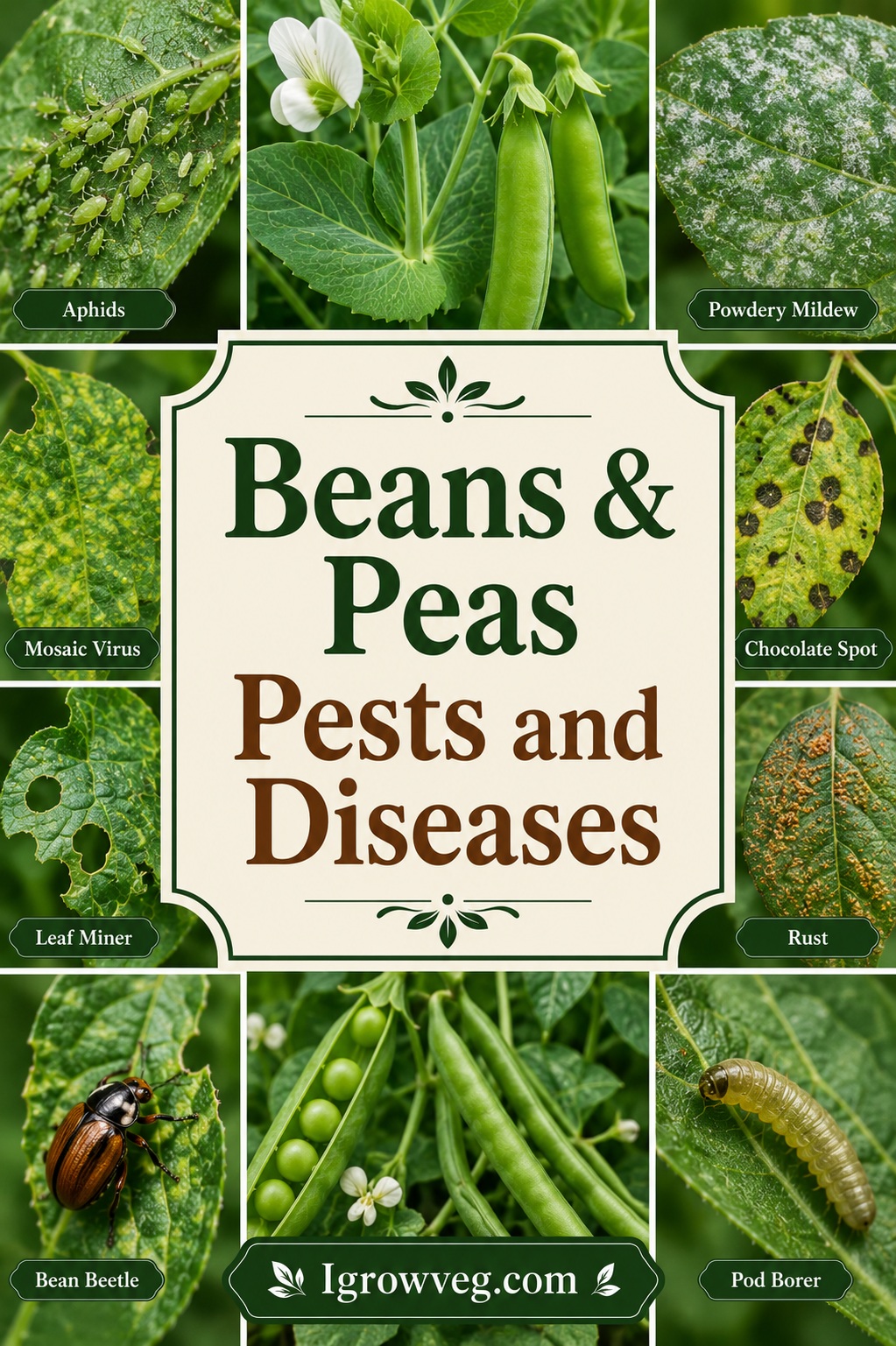
Beans and peas are among the most rewarding crops for home gardeners and commercial growers alike. These legumes are valued for their nutritional benefits, nitrogen-fixing ability, and relatively easy cultivation. However, despite being hardy crops, beans and peas are vulnerable to many pests and diseases that can reduce yields, weaken plants, and even destroy entire harvests if left untreated.
Understanding the common pests and diseases of beans and peas is essential for maintaining healthy plants and producing high-quality pods and seeds. Early identification, prevention, and proper treatment methods can save growers significant time and effort during the growing season.
This guide covers the most common bean and pea pests, major fungal and bacterial diseases, symptoms to watch for, and the best prevention and treatment strategies.
Why Beans and Peas Are Vulnerable to Pests and Diseases
Beans and peas grow quickly and produce tender foliage that attracts many insects and pathogens. Factors that increase the risk of infestations and infections include:
- Excess moisture
- Poor air circulation
- Overcrowded planting
- Warm humid weather
- Infected soil
- Lack of crop rotation
- Nutrient deficiencies
Because many diseases spread rapidly under favorable conditions, prevention is usually more effective than treatment.
Common Pests of Beans and Peas

Aphids on Beans and Peas
Aphids are among the most common pests affecting bean and pea plants.
Identification
Aphids are tiny soft-bodied insects that appear:
- Green
- Black
- Brown
- Yellow
They cluster on:
- Young shoots
- Undersides of leaves
- Flower buds
Damage Symptoms
Aphids damage plants by sucking sap from stems and leaves.
Common signs include:
- Curling leaves
- Yellowing foliage
- Stunted growth
- Sticky honeydew residue
- Sooty mold growth
Aphids can also spread viral diseases between plants.
Prevention and Treatment
To control aphids:
- Spray plants with strong water streams
- Introduce ladybugs
- Use neem oil
- Apply insecticidal soap
- Remove heavily infested foliage
Avoid excessive nitrogen fertilizer because it encourages tender growth that attracts aphids.
Bean Beetles
Bean beetles are destructive pests that attack both leaves and pods.
Identification
Adult beetles are:
- Yellow or orange
- Oval-shaped
- Marked with black spots
Larvae are soft-bodied and yellow.
Damage Symptoms
Bean beetles:
- Skeletonize leaves
- Chew holes in pods
- Reduce plant vigor
Severe infestations may completely defoliate young plants.
Control Methods
Effective management includes:
- Hand-picking beetles
- Using row covers
- Removing eggs from leaf undersides
- Applying organic insecticides if necessary
Early detection is critical.
Pea Weevils
Pea weevils specifically target pea crops.
Identification
Adult pea weevils are small brownish beetles with short snouts.
Damage Symptoms
They damage:
- Seeds
- Pods
- Developing peas
Larvae feed inside seeds, reducing crop quality and germination rates.
Prevention
Prevent infestations by:
- Rotating crops
- Removing crop residues
- Planting resistant varieties
- Harvesting promptly
Cutworms
Cutworms attack seedlings at soil level.
Symptoms
Plants may:
- Suddenly collapse
- Appear cut at the stem base
- Wilt overnight
Prevention
Protect seedlings by:
- Using collars around stems
- Removing weeds
- Cultivating soil before planting
Hand-picking at night can also reduce populations.
Thrips
Thrips are tiny insects that damage flowers and foliage.
Damage Signs
Symptoms include:
- Silver streaks on leaves
- Distorted pods
- Reduced flowering
- Brown scarring
Thrips can spread plant viruses as well.
Management
Control measures include:
- Sticky traps
- Neem oil sprays
- Encouraging beneficial insects
- Removing weeds nearby
Spider Mites
Spider mites become especially problematic during hot dry weather.
Identification
These microscopic pests create:
- Fine webbing
- Speckled leaves
- Yellowing foliage
Treatment
Increase humidity and use:
- Water sprays
- Miticides
- Neem oil
- Insecticidal soap
Healthy well-watered plants resist spider mites better.
Leaf Miners
Leaf miners tunnel inside leaves, creating visible trails.
Symptoms
Leaves develop:
- White winding tunnels
- Blotchy patches
- Premature yellowing
Prevention
Control methods include:
- Removing affected leaves
- Using floating row covers
- Encouraging parasitic wasps
Common Diseases of Beans and Peas
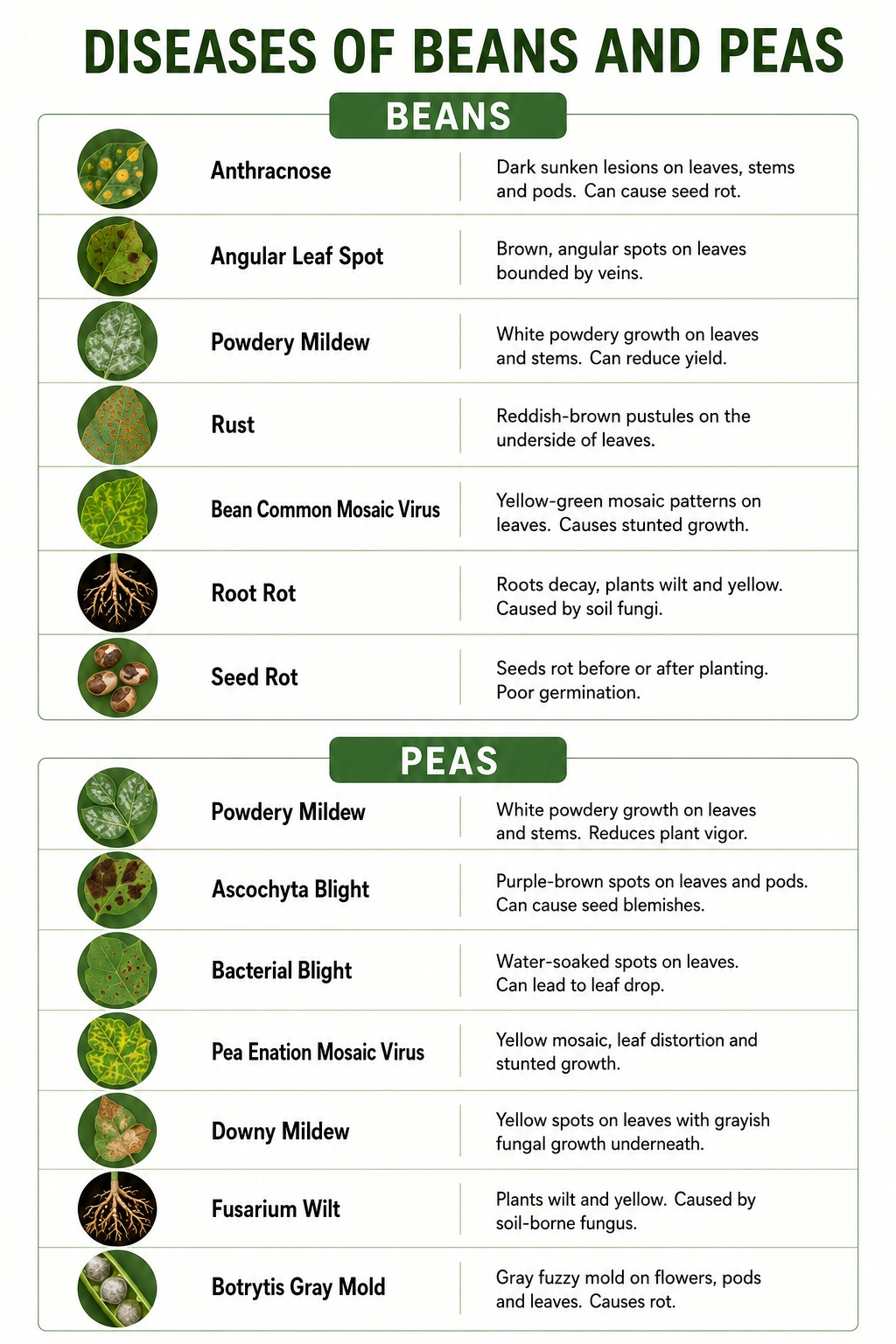
Powdery Mildew on Beans and Peas
Powdery mildew is one of the most widespread fungal diseases.
Symptoms
It appears as:
- White powdery coating
- Dust-like fungal growth
- Leaf curling
- Premature leaf drop
Conditions Favoring Disease
Powdery mildew thrives in:
- Warm temperatures
- Humid environments
- Crowded plants
Prevention and Treatment
Prevent powdery mildew by:
- Improving airflow
- Spacing plants properly
- Watering at soil level
Treatments include:
- Sulfur sprays
- Baking soda solutions
- Fungicides
Removing infected foliage helps slow spread.
Downy Mildew
Downy mildew is another destructive fungal-like disease.
Symptoms
Signs include:
- Yellow leaf spots
- Gray or purple fuzzy growth
- Wilting leaves
- Stunted growth
Favorable Conditions
Cool moist conditions encourage downy mildew outbreaks.
Prevention
To reduce risk:
- Avoid overhead watering
- Improve drainage
- Rotate crops
- Use resistant varieties
Fungicides may help in severe cases.
Rust Disease in Beans
Rust disease affects many bean varieties.
Symptoms
Rust appears as:
- Reddish-brown pustules
- Orange spots
- Leaf discoloration
- Premature defoliation
Spread
Rust spores spread through:
- Wind
- Rain splash
- Contaminated tools
Management
Control methods include:
- Removing infected plants
- Practicing crop rotation
- Applying fungicides early
Avoid working with wet plants because spores spread easily.
Bean Anthracnose
Anthracnose is a serious fungal disease affecting beans.
Symptoms
It causes:
- Dark sunken lesions
- Black stem spots
- Pod discoloration
- Seed damage
Wet conditions accelerate disease spread.
Prevention
Prevent anthracnose by:
- Using certified disease-free seeds
- Rotating crops
- Avoiding overhead irrigation
Destroy infected plants immediately.
Fusarium Wilt
Fusarium wilt is a soil-borne fungal disease.
Symptoms
Affected plants show:
- Yellow leaves
- Wilting
- Browning stems
- Poor growth
Eventually plants die.
Prevention
Since Fusarium survives in soil for years:
- Rotate crops carefully
- Improve soil drainage
- Plant resistant varieties
Avoid planting beans or peas repeatedly in the same location.
Root Rot in Beans and Peas
Root rot develops in overly wet soils.
Symptoms
Plants may exhibit:
- Wilting despite wet soil
- Brown mushy roots
- Stunted growth
- Yellow leaves
Causes
Contributing factors include:
- Poor drainage
- Compacted soil
- Excess watering
Prevention
Improve drainage by:
- Using raised beds
- Avoiding overwatering
- Loosening compacted soil
Healthy roots are essential for productive plants.
Bacterial Blight
Bacterial blight commonly affects bean crops.
Symptoms
Signs include:
- Water-soaked leaf spots
- Brown lesions
- Yellow halos
- Pod spotting
Rainy weather spreads bacteria rapidly.
Management
Control measures include:
- Avoiding overhead watering
- Removing infected debris
- Rotating crops
- Using disease-free seeds
Copper-based sprays may provide partial protection.
Mosaic Virus in Beans and Peas
Several viral diseases affect legumes, including mosaic virus.
Symptoms
Infected plants develop:
- Mottled leaves
- Yellow-green patterns
- Distorted growth
- Reduced yields
Viruses are often spread by aphids.
Prevention
Prevent viral diseases by:
- Controlling insect vectors
- Removing infected plants
- Using resistant varieties
There is no cure once plants become infected.
Environmental Conditions That Increase Disease Risk
Certain growing conditions make beans and peas more susceptible to disease.
Excess Moisture
Wet leaves encourage fungal growth.
Poor Air Circulation
Crowded plants trap humidity.
Nutrient Imbalance
Overfertilization weakens plants.
Warm Humid Weather
Many pathogens spread rapidly under these conditions.
Managing environmental factors greatly reduces disease outbreaks.
Organic Pest Control for Beans and Peas
Many gardeners prefer natural pest management methods.
Beneficial Insects
Helpful predators include:
- Ladybugs
- Lacewings
- Parasitic wasps
Neem Oil
Neem oil works against:
- Aphids
- Spider mites
- Thrips
Companion Planting
Certain plants repel pests naturally.
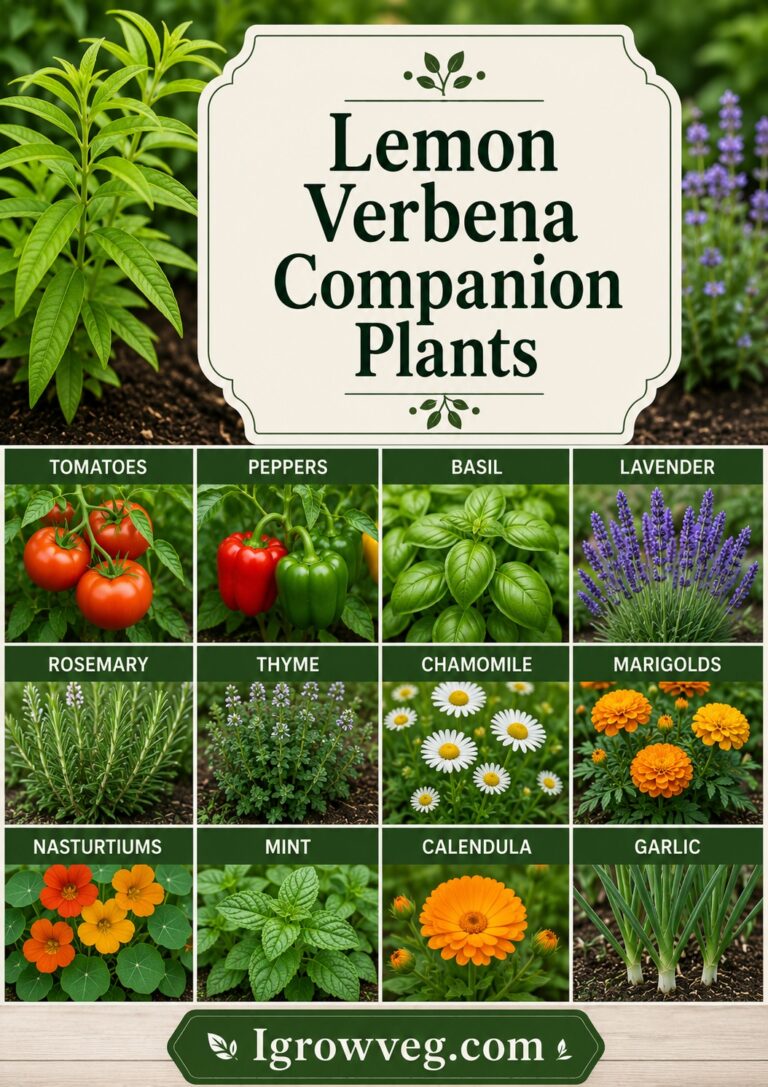
Good companions include:
- Marigolds
- Garlic
- Nasturtiums
Hand Removal
Regular inspection and manual removal help control early infestations.
Preventing Diseases in Bean and Pea Plants
Disease prevention is the most effective strategy.
Practice Crop Rotation
Avoid planting legumes in the same location every year.
Use Disease-Free Seeds
Certified seeds reduce the risk of infection.
Water Properly
Always water:
- Early in the day
- At soil level
Improve Soil Health
Healthy soil supports stronger plants.
Add:
- Compost
- Organic matter
- Balanced nutrients
Remove Plant Debris
Old infected material can harbor pathogens over winter.
Best Practices for Healthy Bean and Pea Plants
Healthy plants naturally resist pests and diseases better.
Proper Spacing
Good airflow reduces fungal infections.
Mulching
Mulch:
- Conserves moisture
- Reduces weeds
- Prevents soil splash
Regular Monitoring
Inspect plants frequently for:
- Leaf spots
- Insect damage
- Wilting
- Discoloration
Early intervention prevents major outbreaks.
Signs Your Bean or Pea Plants Need Attention
Watch for these warning signs:
- Sudden yellowing
- Wilting despite moisture
- White fungal growth
- Holes in leaves
- Sticky residue
- Distorted pods
- Stem lesions
Quick identification improves treatment success.
Resistant Varieties of Beans and Peas
Many modern varieties offer resistance to common diseases.
Look for cultivars resistant to:
- Rust
- Anthracnose
- Powdery mildew
- Mosaic virus
Disease-resistant plants reduce reliance on chemical treatments.
Conclusion
Understanding the common pests and diseases of beans and peas is essential for growing healthy productive crops. Problems such as aphids, bean beetles, powdery mildew, root rot, rust, and bacterial blight can seriously damage plants if ignored.
Fortunately, most issues can be prevented through proper garden hygiene, crop rotation, good watering practices, healthy soil management, and regular plant inspection. Early detection remains one of the most effective tools for controlling infestations and diseases before they spread.
Whether you grow beans and peas in backyard gardens, raised beds, containers, or farms, following these preventive strategies will help you maintain vigorous plants, improve yields, and enjoy a healthier harvest season after season.