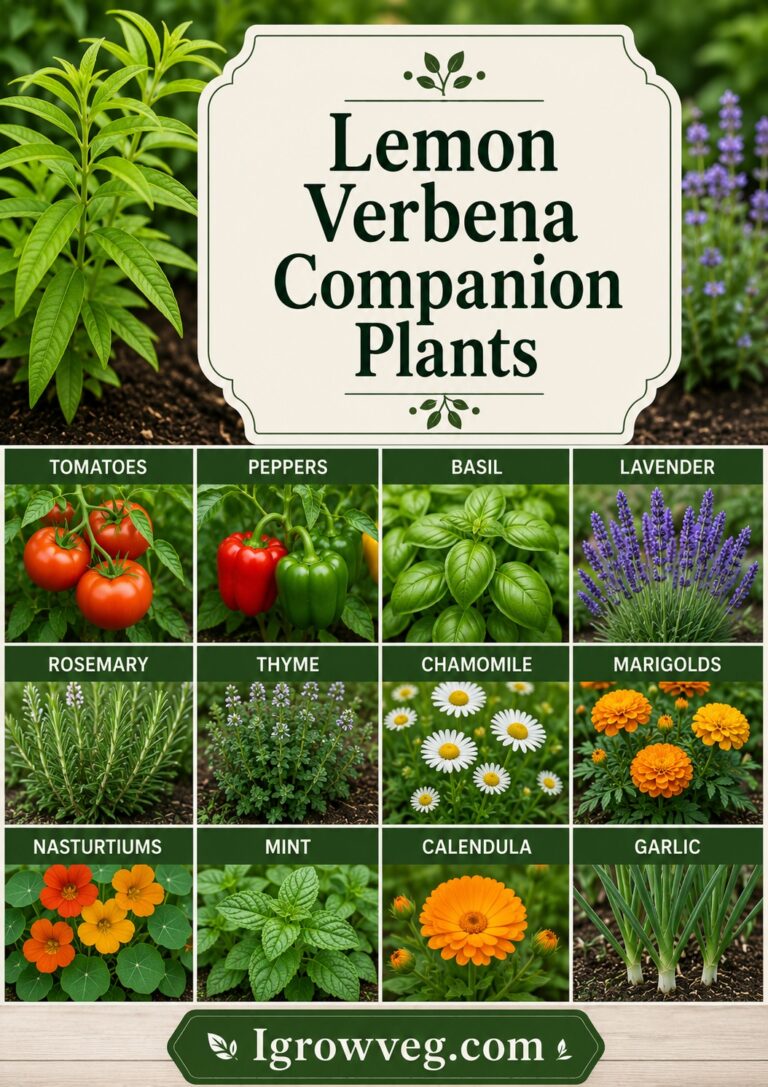
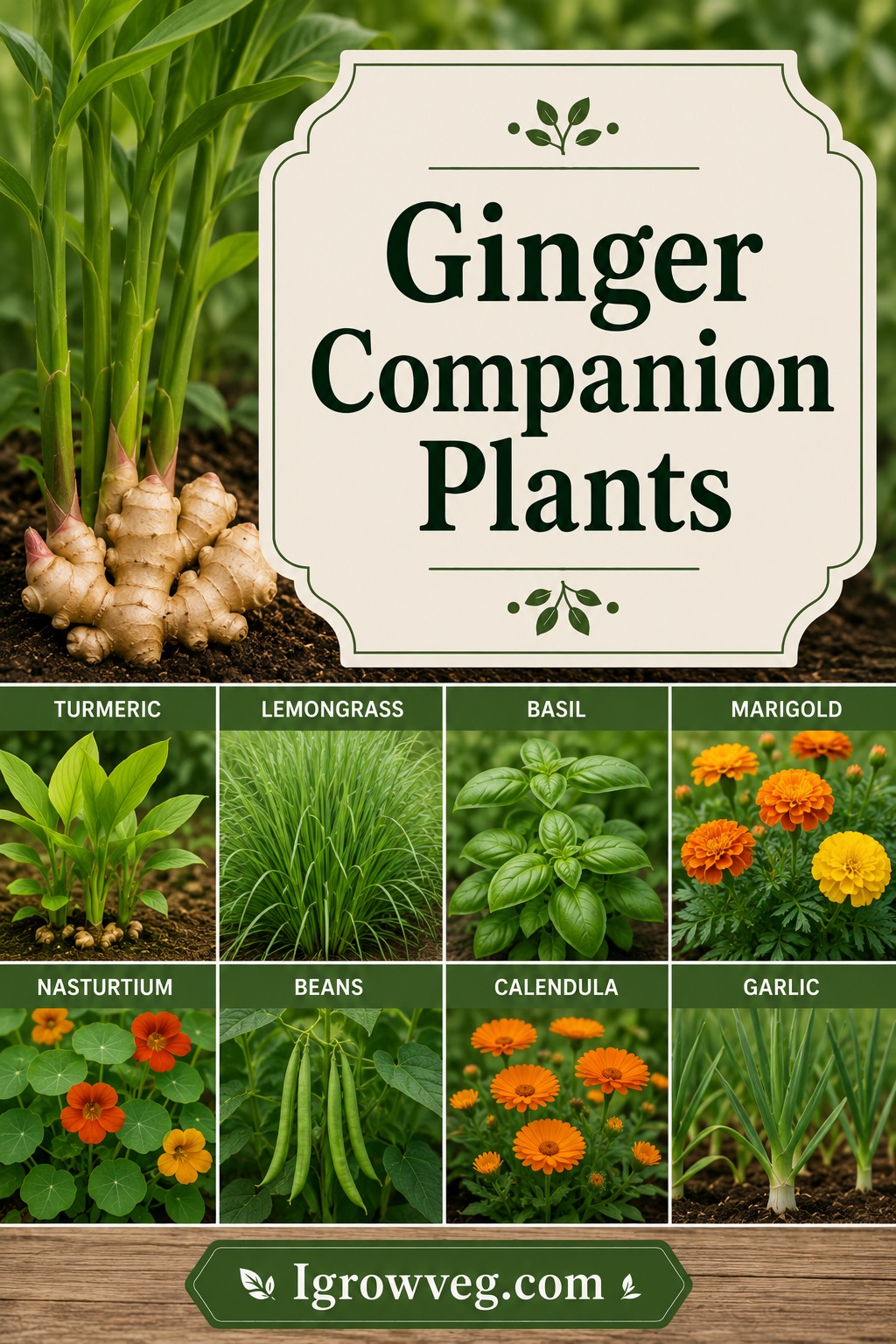
Selecting the right ginger companion plants is a strategic way to mimic the natural rainforest floor where ginger (Zingiber officinale) thrives. Because ginger is a heavy-feeding, shade-loving perennial with a slow growth cycle, it performs best when surrounded by neighbors that complement its unique habit.
Ginger’s vertical, grass-like stalks leave ample ground space for low-growing covers, while its preference for dappled sunlight makes it an ideal “understory” plant for taller tropical species. By integrating nitrogen-fixers, pest-deterrents, and living mulches, you create a self-sustaining ecosystem that boosts rhizome health. This guide provides a comprehensive analysis of the best botanical partners for ginger and the “bad neighbors” that can stunt its growth.
1. The “Family” Pair: Root Synergy
Turmeric (Curcuma longa)
Turmeric is arguably the best companion for ginger. As botanical cousins in the Zingiberaceae family, they share identical cultural needs and timing. Planting them together simplifies garden management because both prefer warm, moist, shaded sites and high-organic soil. They can be harvested at the same time, allowing for a single “big dig” at the end of the season.
2. Nitrogen-Fixing Legumes: Feeding the Rhizome
Ginger is a nitrogen-hungry plant. Legumes act as biological fertilizer factories, “fixing” nitrogen from the air into the soil.
- Beans (Bush or Pole): These enrich the soil naturally. Plant them at bed edges or intersperse them before ginger to boost fertility for early rhizome development.
- Peas: Another legume option that improves soil nitrogen and provides light groundcover. Choose varieties suited to your local seasonality (cool-season peas vs. heat-tolerant southern peas).
- Pigeon Pea: A small, nitrogen-fixing shrub that supplies dappled shade and organic matter. It is particularly useful as a “nurse plant” in mixed beds to protect young ginger from harsh sun.
3. Pest Deterrents and Microclimate Enhancers
Ginger can occasionally suffer from aphids, whiteflies, or nematodes. These companions provide a chemical and physical shield.
- Lemongrass: Tall clumps create cooling shade and its citrus scent helps deter mosquitoes and other flying pests, improving the microclimate.
- Marigolds: Widely used for nematode suppression. Planting marigolds around the bed reduces soil-borne pests that can burrow into and damage ginger roots.
Herbs (Basil, Mint in pots, Curry Leaf, Kaffir Lime)
- Basil: This aromatic herb repels aphids and whiteflies. It fits perfectly at bed margins and shares ginger’s love for consistent moisture.
- Mint (Contained): Effective at deterring pests but highly invasive. Expert Tip: Grow mint in pots at the bed edge to prevent it from choking out the ginger rhizomes while still providing protection.
- Curry Leaf & Kaffir Lime: These small aromatic shrubs create a culinary theme and offer light shade while deterring pests with their strong essential oils.
4. Living Mulches and Space Fillers
Because ginger takes 8–10 months to mature, using the “empty” space for fast-growing crops prevents weed establishment and conserves moisture.
- Coriander (Cilantro): A fast-growing herb that attracts beneficial predatory insects and pollinators. It can be harvested quickly without disturbing ginger’s shallow root system.
- Spinach & Amaranth: These act as living mulch, suppressing weeds and conserving moisture without competing for the deep nutrients ginger requires.
- Sweet Potato: A spreading groundcover that reduces erosion and keeps the soil cool. Because sweet potatoes occupy a different soil layer (deeper or spreading) than ginger, they can coexist if the soil is rich enough.
- Lettuce & Salad Greens: Quick, shallow-rooted crops that use space efficiently between rows. They are harvested long before the ginger needs the extra room to expand.
5. The Canopy: Tropical Shade Providers
- Banana & Dwarf Fruit Trees: In the wild, ginger grows under the rainforest canopy. Taller trees provide the filtered “dappled” shade ginger prefers.
- Chili Peppers: Peppers thrive in the same warm, humid conditions as ginger. They offer vertical structure, and ginger’s aromatic deterrents may help protect the peppers from certain pests.
Plants to Avoid: The “Bad Neighbors”
Not all plants play well with ginger. Some compete too aggressively for space, while others can actively inhibit growth.
- Alliums (Garlic, Onions, Shallots, Leeks): While garlic is often a great companion for other vegetables, it is generally avoided near ginger. Onions and other alliums can inhibit ginger’s growth and compete for the same sulfur and soil nutrients.
- Competitive Root Crops: Avoid planting ginger near large tubers like potatoes or carrots. Because ginger rhizomes grow horizontally just below the surface, these large-root competitors can physically crowd out the ginger or cause “stunting” during the expansion phase.
- Fennel: Fennel is known in allelopathy for secreting substances from its roots that inhibit the growth of many other plants, including ginger.
- Mediterranean Herbs: Rosemary, Thyme, and Lavender prefer dry, sandy soil and full sun. They will quickly rot in the moist, shaded, and highly organic environment that ginger requires.
🌱 Practical Tips
- Mulch heavily during hot months to retain moisture.
- Reduce watering before harvest to prevent rot.
- Rotate legumes before ginger planting to maximize soil fertility.
- Use marigolds and lemongrass as natural pest barriers.
Summary of Companion Benefits
| Benefit | Top Companion Plants |
| Nutrient Boost/Nitrogen Fixing | Beans, Peas, Pigeon Peas |
| Shade/Cooling Provision | Banana, Lemongrass, Fruit Trees |
| Pest Deterrence | Marigolds, Lemongrass, Basil, Mint |
| Space Efficiency | Cilantro, Lettuce, Spinach, Turmeric |
| Living Mulch | Sweet Potato, Spinach, Lettuce. |
| Cultural Harmony | Turmeric, Chili Pepper, Curry Leaf. |
Conclusion
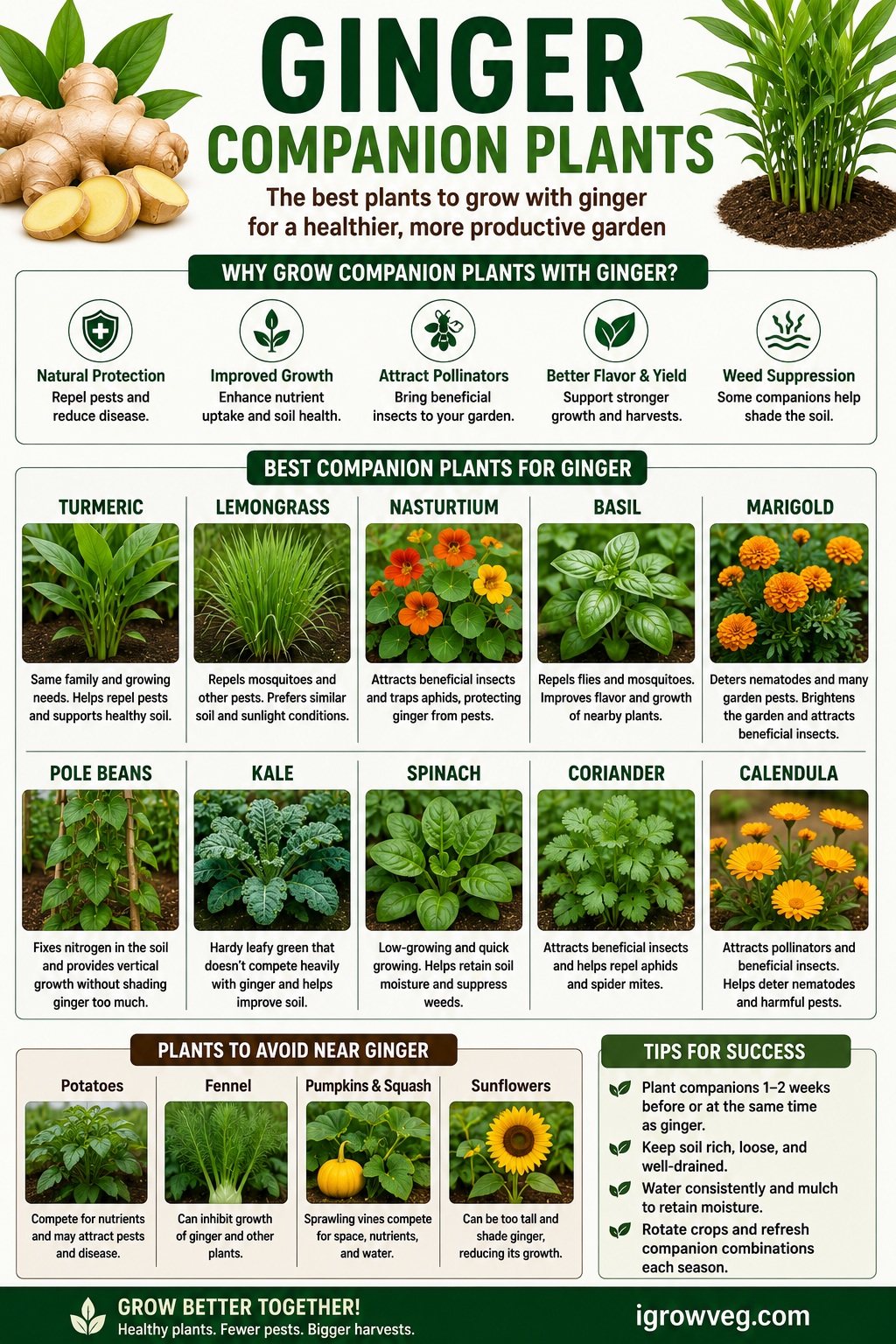
Creating a polyculture for your ginger ensures a healthier soil profile and a more resilient garden. By pairing ginger with turmeric for cultural ease, legumes for nitrogen, and living mulches like spinach for moisture retention, you mimic a natural ecosystem.
Avoid the competitive nature of alliums and heavy tubers to ensure your ginger rhizomes have the space they need to thrive. For more information on tropical polycultures and soil health, The Royal Horticultural Society and Kew Royal Botanic Gardens offer extensive botanical resources.
FAQ: Frequently Asked Questions
1. What can be intercropped with ginger?
The best intercropping options are fast-growing greens (lettuce, spinach), legumes (beans, peas), and its close relative, turmeric.
2. Does ginger like full sun or shade?
Ginger prefers filtered or dappled shade. Direct, harsh afternoon sun can scorch the leaves and dry out the rhizomes.
3. Can I plant ginger and pepper together?
Yes. They both love warm, humid weather and provide different vertical layers in the garden bed.
4. Can basil and ginger be planted together?
Absolutely. Basil helps repel common pests like aphids that might otherwise target young ginger shoots.
5. What is the best companion plant for ginger?
Turmeric is the most compatible because it shares the same growing cycle and environmental needs.
6. What not to combine ginger with?
Avoid onions, garlic, and large root vegetables like potatoes, which compete for space and can inhibit growth.
7. What pairs well with ginger?
In the garden, lemongrass and bananas pair well for shade; in the kitchen, basil and chili peppers are its classic partners.
8. Who should avoid ginger?
From a botanical perspective, Mediterranean “dry-foot” plants should be kept away from ginger’s moist environment to avoid root rot. (Consult a medical professional for human dietary restrictions regarding ginger and blood thinners).