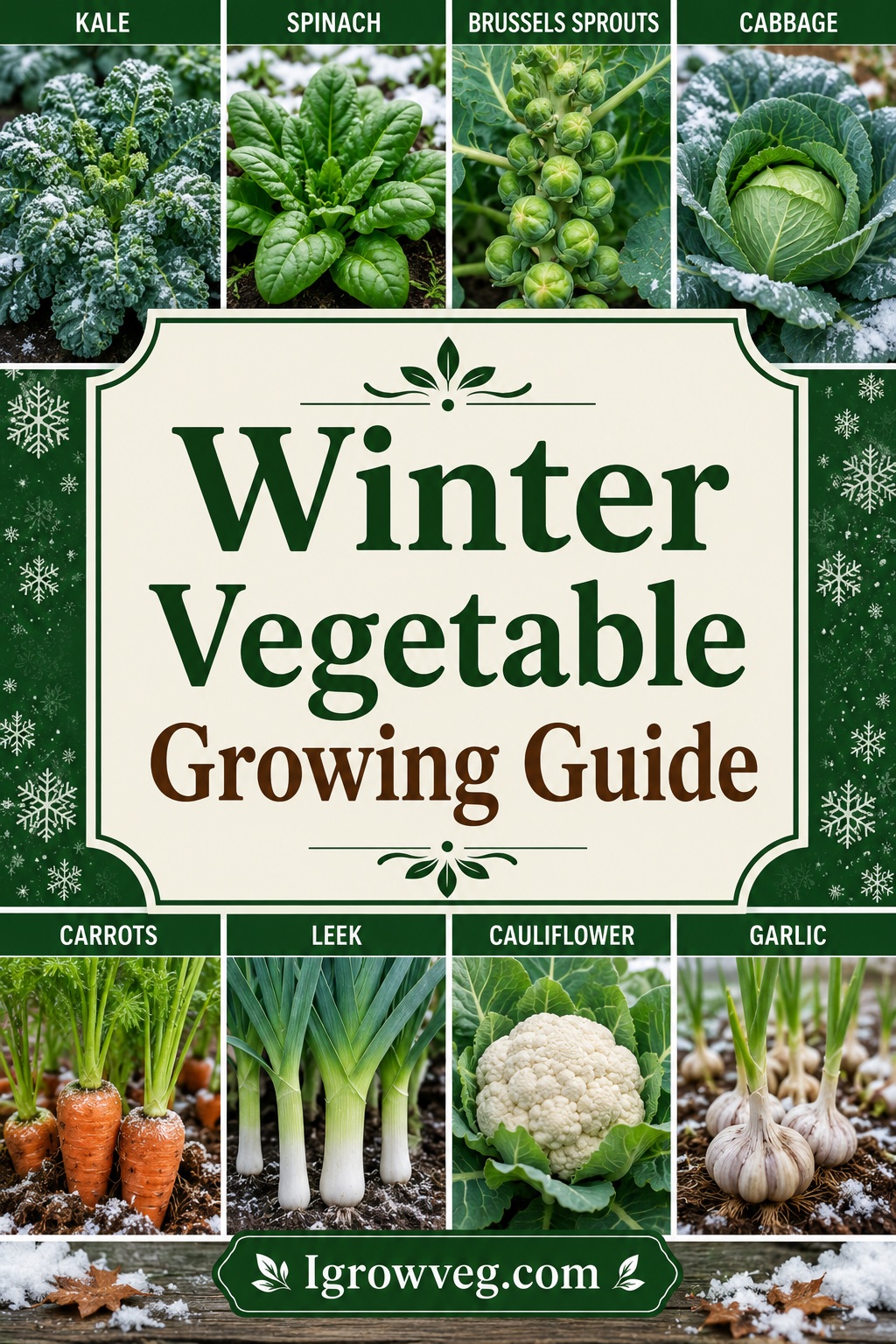
Winter vegetable gardening is one of the most rewarding ways to keep your garden productive during the colder months. While many people assume gardening ends after summer, numerous vegetables thrive in cool temperatures and even improve in flavor after light frosts.
A proper winter vegetable growing guide helps gardeners extend harvests, protect crops from freezing conditions, and maintain fresh food production year-round. Many winter vegetables are hardy, nutritious, and surprisingly easy to grow with the right planning and care.
Whether you have a backyard garden, raised beds, greenhouse, or containers, winter gardening allows you to enjoy fresh produce while reducing grocery costs and improving self-sufficiency.
Benefits of Growing Vegetables in Winter
Winter gardening offers several advantages compared to traditional summer gardening.
Fewer Pests and Diseases
Cold temperatures naturally reduce populations of:
- Aphids
- Caterpillars
- Beetles
- Fungal pathogens
This means winter vegetables often require less pest management.
Improved Flavor
Many winter vegetables become sweeter after exposure to frost because plants convert starches into sugars as a natural defense mechanism.
Vegetables known for improved flavor in cold weather include:
- Kale
- Carrots
- Brussels sprouts
- Parsnips
Extended Harvest Season
Winter gardening keeps your garden productive long after summer crops finish.
Better Moisture Retention
Cool temperatures reduce evaporation, meaning winter crops usually require less watering.
Understanding Winter Vegetable Hardiness
Winter vegetables vary in their cold tolerance.
Frost-Tolerant Vegetables
These crops survive light frosts:
- Lettuce
- Spinach
- Radishes
- Beets
Cold-Hardy Vegetables
These tolerate freezing temperatures:
- Kale
- Cabbage
- Brussels sprouts
- Leeks
Semi-Hardy Vegetables
These need some protection during severe cold:
- Cauliflower
- Celery
- Broccoli
Understanding hardiness helps gardeners choose suitable crops for their climate.
Preparing Soil for Winter Vegetables
Healthy soil is essential for successful winter vegetable gardening.
Improve Soil Structure
Before planting:
- Remove weeds
- Loosen compacted soil
- Add organic matter
Good soil drainage is especially important during winter because soggy roots are vulnerable to rot.
Add Compost
Compost improves:
- Soil fertility
- Moisture retention
- Microbial activity
Winter crops benefit from nutrient-rich soil because cold temperatures slow nutrient uptake.
Check Soil pH
Most winter vegetables prefer soil with a pH between:
- 6.0 and 7.0
Testing soil before planting improves crop performance.
Best Winter Vegetables to Grow
Growing Kale in Winter
is one of the easiest and most productive winter vegetables.
Why Kale Thrives in Winter
Kale tolerates:
- Frost
- Snow
- Cold winds
Cold weather often improves its flavor.
Growing Requirements
Kale prefers:
- Full sun
- Rich well-drained soil
- Consistent moisture
Harvesting Tips
Harvest outer leaves regularly while leaving the center intact for continuous growth.
Growing Spinach During Winter
grows exceptionally well in cool conditions.
Ideal Conditions
Spinach prefers:
- Cool temperatures
- Moist fertile soil
- Partial to full sun
Winter Protection
In colder climates, row covers help protect spinach from hard freezes.
Continuous Harvesting
Frequent harvesting encourages tender new leaves.
Winter Carrot Growing Guide
is a favorite winter root crop.
Benefits of Winter Carrots
Cold weather makes carrots sweeter and more flavorful.
Soil Preparation
Carrots require:
- Loose stone-free soil
- Deep cultivation
- Good drainage
Harvesting
Many gardeners leave carrots in the ground throughout winter and harvest as needed.
Growing Broccoli in Winter
performs well in cool weather.
Growing Conditions
Broccoli prefers:
- Full sunlight
- Nutrient-rich soil
- Steady moisture
Frost Tolerance
Mature broccoli tolerates light frosts.
Common Challenges
Watch for:
- Cabbage worms
- Aphids
- Poor head formation
Growing Cabbage in Winter
is highly cold-hardy.
Advantages
Winter cabbage develops:
- Firmer heads
- Better flavor
- Improved texture
Care Tips
Provide:
- Adequate spacing
- Fertile soil
- Mulching
Brussels Sprouts Winter Growing Guide
are classic winter vegetables.
Cold Improves Flavor
Frost exposure makes sprouts sweeter and less bitter.
Growing Needs
Brussels sprouts require:
- Long growing seasons
- Full sun
- Consistent watering
Harvesting
Harvest sprouts from the bottom upward as they mature.
Growing Garlic During Winter
is commonly planted in fall for summer harvest.
Why Plant Garlic Before Winter
Cold exposure helps bulbs develop properly.
Planting Tips
Plant cloves:
- Several weeks before hard frost
- In loose fertile soil
- With mulch protection
Winter Lettuce Gardening
grows surprisingly well during mild winters.
Best Varieties
Cold-tolerant lettuce types include:
- Romaine
- Butterhead
- Winter density varieties
Protection Methods
Use:
- Cold frames
- Row covers
- Greenhouses
for better winter survival.
Winter Gardening Protection Methods
Using Mulch in Winter Gardens
Mulch protects plant roots from:
- Temperature fluctuations
- Frost damage
- Moisture loss
Common mulch materials include:
- Straw
- Leaves
- Grass clippings
Cold Frames for Winter Vegetables
Cold frames act as miniature greenhouses.
Benefits
They:
- Trap warmth
- Protect from frost
- Extend harvest seasons
Cold frames are ideal for:
- Lettuce
- Spinach
- Herbs
Row Covers for Winter Crops
Floating row covers provide lightweight frost protection.
Advantages
They:
- Retain heat
- Protect from wind
- Reduce pest pressure
Row covers are especially useful during sudden temperature drops.
Greenhouse Winter Gardening
Greenhouses allow year-round vegetable production.
Suitable Winter Greenhouse Crops
Popular choices include:
- Spinach
- Lettuce
- Kale
- Herbs
Even unheated greenhouses significantly improve winter growing conditions.
Watering Winter Vegetables
Winter crops still need consistent moisture.
Avoid Overwatering
Cold wet soil increases the risk of:
- Root rot
- Fungal disease
- Nutrient problems
Best Watering Practices
Water:
- Early in the day
- At soil level
- Only when needed
Mulch helps maintain proper moisture balance.
Fertilizing Winter Vegetables
Winter vegetables benefit from balanced nutrition.
Best Fertilizers
Good options include:
- Compost
- Organic vegetable fertilizers
- Fish emulsion
Avoid Excess Nitrogen
Too much nitrogen can:
- Cause weak growth
- Increase frost sensitivity
- Reduce flavor quality
Common Winter Vegetable Problems
Frost Damage
Extreme freezing may cause:
- Blackened leaves
- Wilted foliage
- Collapsed plants
Protection methods reduce frost injury.
Root Rot
Wet winter soil can suffocate roots.
Prevention
Improve:
- Drainage
- Soil structure
- Raised bed usage
Slugs and Snails
Moist winter conditions favor these pests.
Control Methods
Use:
- Traps
- Hand removal
- Mulching carefully
Nutrient Deficiencies
Cold soil slows nutrient uptake.
Symptoms may include:
- Yellow leaves
- Slow growth
- Poor color
Balanced soil fertility helps prevent deficiencies.
Growing Winter Vegetables in Containers
Container gardening works well for winter crops.
Best Container Vegetables
Good choices include:
- Spinach
- Lettuce
- Kale
- Green onions
Container Requirements
Use:
- Deep pots
- Drainage holes
- High-quality potting mix
Winter Container Protection
Containers freeze faster than ground soil.
Protect them by:
- Moving near walls
- Wrapping pots
- Using insulated covers
Indoor Winter Vegetable Gardening
Indoor gardening allows fresh harvests even during severe winter weather.
Vegetables Suitable for Indoor Growing
Common choices include:
- Lettuce
- Herbs
- Microgreens
- Spinach
Lighting Requirements
Most indoor vegetables need:
- Bright windows
- Supplemental grow lights
Succession Planting for Winter Harvests
Succession planting ensures continuous production.
How It Works
Plant small batches every:
- 2–3 weeks
This method prevents all crops from maturing simultaneously.
Benefits
Succession planting provides:
- Continuous harvests
- Better space usage
- Reduced waste
Best Herbs for Winter Gardening
Many herbs tolerate cool weather.
Winter Herb Choices
Popular options include:
- Parsley
- Cilantro
- Chives
- Thyme
Some herbs grow well indoors during winter.
Winter Vegetable Harvesting Tips
Harvest During Mild Weather
Frozen vegetables may become brittle and easily damaged.
Use Sharp Tools
Clean cuts reduce plant stress.
Continue Harvesting Regularly
Frequent harvesting encourages continued growth for leafy greens.
Crop Rotation for Winter Gardens
Crop rotation reduces:
- Disease buildup
- Pest populations
- Soil nutrient depletion
Avoid planting related crops repeatedly in the same location.
Winter Gardening in Raised Beds
Raised beds are excellent for winter vegetable gardening.
Advantages
Raised beds:
- Warm faster
- Drain better
- Improve root health
They also simplify frost protection.
Planning a Winter Vegetable Garden
Successful winter gardening begins with planning.
Consider Your Climate
Choose vegetables suited to local winter temperatures.
Start Seeds Early
Many winter crops need:
- Late summer planting
- Early fall establishment
Monitor Frost Dates
Knowing first and last frost dates helps schedule planting correctly.
Sustainable Winter Gardening Practices
Winter gardening can be environmentally friendly.
Composting
Recycle garden waste into nutrient-rich compost.
Water Conservation
Cool weather naturally reduces water needs.
Organic Pest Management
Encourage beneficial insects and avoid unnecessary chemicals.
Nutritional Benefits of Winter Vegetables
Winter vegetables are rich in essential nutrients.
Common nutrients include:
- Vitamin C
- Vitamin K
- Fiber
- Antioxidants
- Folate
Fresh winter-grown produce often contains higher nutrient quality than long-stored vegetables.
Conclusion
Winter vegetable gardening is a practical and rewarding way to enjoy fresh produce throughout the colder months. With proper planning, soil preparation, frost protection, and crop selection, gardeners can successfully grow nutritious vegetables even during winter conditions.
Cold-hardy crops such as kale, spinach, carrots, cabbage, broccoli, and Brussels sprouts thrive in cool temperatures and often develop sweeter, richer flavors after frost exposure. Using techniques like mulching, row covers, raised beds, cold frames, and greenhouse gardening further extends the growing season and protects crops from severe weather.
Whether you are growing vegetables in backyard gardens, containers, raised beds, or indoor spaces, following a reliable winter vegetable growing guide can help you maintain healthy plants, increase harvests, and enjoy year-round gardening success.